
What Should You Look for When Sourcing Electric Fireplaces from an OEM/ODM Factory?
Looking for an electric fireplace OEM factory is not just about finding a pretty unit. It's about finding a partner who cares about your quality, schedule, and brand.

A good custom electric fireplace manufacturer is skilled in production and product development. They also have clear testing standards. Plus, they manage their supply chain well, keeping costs and delivery dates steady.
For those buying wholesale electric fireplaces, it's important to check compliance files and support. Look at certifications, how they inspect products, package them, and the total cost before you buy.
The best B2B electric fireplace supplier can make your product unique in a busy market. SPZK started as a local distributor in 2013 and became a full manufacturer in 2014. Now, they serve over 20 global markets.
How to Evaluate an Electric Fireplace OEM Factory and Custom Manufacturer
Choosing a factory is more than just looking at prices. You need a partner that ensures safe products, steady supply, and a clear brand identity. A good custom electric fireplace OEM combines practical skills with quick project support.
Start by checking the factory's product range, engineering team, and quality records. These show if they can handle current orders and future plans.
Why Long-Term Factory Partnerships Matter for B2B Buyers
A long-term partnership helps buyers adapt quickly to market changes. The factory learns about the buyer's design goals, target price, and preferred features over time.
Together, you can plan better. The supplier can offer market research, new product ideas, and design advice. This is key for smart home electric fireplace ODM projects.
Dedicated R&D teams also help avoid generic models. They can improve flame effects, controls, dimensions, and packaging to meet customer needs.

How SPZK Evolved Into an Integrated Electric Fireplace ODM Provider
SPZK started as a local distributor in 2013 and became a full manufacturer in 2014. This journey gave them experience in both demand and factory operations.
Today, they offer a complete service from design to order support. This integration can speed up the process from design approval to production.
It's important to check how the supplier manages each step. Good communication between teams ensures better control over changes and delivery times.
Questions to Ask Before Selecting a B2B Electric Fireplace Supplier
Ask direct questions before making a purchase. The answers will show if the supplier fits your market, budget, and inventory plan.
- Which certifications and test reports are available for the target market?
- What is the annual production capacity and typical lead time?
- How does the ISO9000 quality management system guide inspections and defect control?
- What custom options are available for frames, flame effects, controls, logos, and cartons?
- What minimum order quantities apply to standard and custom models?
These questions cover important areas like compliance, product safety, supply reliability, and brand differentiation. They help compare factory claims with actual records and samples.
Manufacturing Capacity and Supply Chain Control for Wholesale Electric Fireplaces
Wholesale electric fireplaces need more than just a nice flame. Buyers should check how a factory plans, controls parts, and checks quality. This is from the first order to the final pack.

Assessing Assembly Lines, Production Capacity, and Factory Management
Look for active assembly lines, not just showrooms. A good factory has clear areas for metal work, wiring, flame effects, testing, and packaging.
Production planning is key for each fireplace order. Check for trained leaders, written steps, batch records, and enough space for materials and finished units.
Research and development (R&D) also matters. It helps adjust sizes, improve parts, and fix fit issues before production starts.
Reviewing Control of Glass, Circuit Boards, Heaters, LED Strips, and Remote Controls
An electric fireplace has many parts, like tempered glass and circuit boards. Each part affects performance and safety.
For wall mounted fireplaces, ask about supplier approval and monitoring. Incoming checks should look at glass edges, wire connections, heater output, and remote response.
- Supplier approval records and sample testing
- Incoming inspection reports for critical components
- Traceable part numbers for control boards and heaters
- Clear procedures for defective materials
SPZK’s slim models and three-sided glass need careful control. This ensures consistent quality across large orders.
Why Factory Visits Help Verify Real Manufacturing Strength
A factory visit lets buyers see production firsthand. It shows if teams follow the process and if testing is done on the floor.
Check the lab, warehouse flow, component storage, and packaging area. These details are important for custom or market-specific fireplaces.
Seeing the factory in person helps discuss capacity, lead times, and component changes. This is with the people who manage daily production.
ISO9000 Quality Management and Product Inspection Standards
Quality starts with strict controls at every step. An ISO9000 quality management system tracks materials, testing, and final checks before shipping. This ensures products meet high standards.
How an ISO9000 Certified Fireplace Factory Supports Consistent Quality
An ISO9000 certified factory follows detailed procedures for making, inspecting, and fixing products. This keeps quality consistent for repeat orders.
Quality teams at SPZK check both in-house and bought parts. Buyers should ask about defect tracking and prevention in future products.
Inspecting Critical Components Such as PCBs, Heating Elements, and LED Modules
PCBs, motors, heaters, and LED modules need careful checks. They impact safety and daily use. Heating coils and PTC elements should have aging and electrical safety reports.
- Sampling or 100 percent inspection for PCBs and heaters
- Checks for wiring, connectors, and insulation
- Light output and color checks for LED modules
- Surface review of tempered glass and cold-rolled steel
Functional Testing, Burn-In Testing, Noise Testing, and Final Inspection
A remote control electric fireplace should be tested for heat, flame effects, timer settings, and control response. Burn-in testing can reveal early faults.
Noise tests are also important, for fan heaters and motor-driven flame systems. Final inspection checks appearance, labeling, and safe operation before packing.
Evaluating Packaging, Accessories, and Shipping-Damage Prevention
Packaging inspections protect glass panels, frames, and controls during shipping. Cartons, foam inserts, corner guards, manuals, and mounting hardware should match the order details.
Buyers can review drop-test records and packing photos before shipping. These checks help reduce damage claims, missing accessories, and avoidable returns.
Understanding Essential Safety Certifications for CE and ERP Compliant Electric Fireplaces
Safety documents are key for buyers to know if a fireplace is safe for the market. Before buying or selling, ask for the latest test reports, declarations, and product specs for each model.
A CE ERP certified electric fireplace is more than just a label. Its heater, wiring, controls, and circuit boards must match the compliance records.
Understanding CE Certified Fireplace Requirements, EMC Certification, and RoHS Compliance
A ce certified fireplace must follow electrical safety rules before it can be sold in many markets. Look closely at reports, focusing on heating elements and PCBs. These areas can be risky if not properly tested.
EMC certification shows the fireplace doesn't interfere with other devices. A rohs compliant product also limits harmful substances in its parts and materials.
Checking REACH Standards, SAA Certification, and Market-Specific Documentation
Documentation should also cover reach standards for chemicals in paints, plastics, cables, and more. These records help buyers check the product's materials before it's shipped.
An ERP energy-efficient electric fireplace must meet strict European eco-design rules, backed by dedicated R&D testing to optimize heating efficiency and energy consumption. For Australia and New Zealand, SAA certification might be needed, based on the product and sales channel.
- Test reports matched to the exact model number
- Declarations for destination-market requirements
- Clear ratings for voltage, wattage, and heater output
Prioritizing Overheat Protection and Child Lock Safety Features
Product specs should clearly explain overheat protection. This feature turns off the heater if it gets too hot.
Child lock safety is also critical for homes, apartments, and hotels. Buyers should check that the lock works through the control panel and remote, if available.
An in-house lab can help test new products against international standards. Early testing ensures the product is safe before mass production starts.
Flame Technology and Product Types That Differentiate Your Product Line
Having a wide range of fireplaces meets different design needs and budgets. SPZK offers various flame systems, glass types, and fuel beds. This helps retailers create a catalog that stands out visually.
Comparing Water Vapor and Virtual Flame Displays
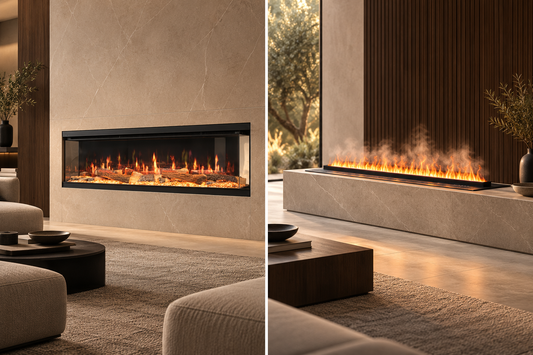
A 3d water vapor electric fireplace creates a realistic flame effect without real fire. It's perfect for high-end spaces where a soft, layered look is desired. On the other hand, a 2k lcd virtual electric fireplace offers sharp flames and supports multiple scenes through smart controls.
Matching Fireplace Formats to the Room
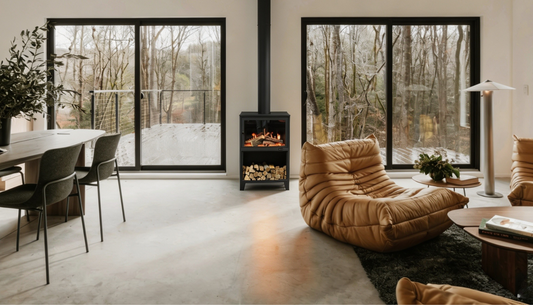
A built-in slim electric fireplace is ideal for clean feature walls and modern media units. Wall-mounted models are easy to install. Freestanding electric fireplaces offer more placement options. Each model can be customized to fit the room's style.
Using Glass to Create a Wider View
A 3 sided glass electric fireplace provides a wider view from the front and both ends. It's great as a room divider or focal point in open-plan homes. A three sided mirrored glass electric fireplace adds depth by reflecting the ember bed and flames.
Selecting Fuel Bed Media for Each Firebox
Fuel bed choices greatly impact the fireplace's mood. Realistic logs offer a cozy feel, perfect for traditional frames. Crystal media stones add a modern sparkle, enhanced by color-changing LED lights.
- A slim ember electric fireplace can use smaller logs or clear crystals to keep the firebox looking open.
- A wide ember electric fireplace has room for larger realistic logs, mixed stones, and deeper layered effects.
By mixing flame technology, glass style, and media options, buyers can offer fireplaces for various settings. This includes urban apartments, family rooms, hospitality projects, and upscale renovations.
Custom Design Opportunities From a Smart Home Electric Fireplace ODM
A custom electric fireplace manufacturer can help brands stand out in a crowded market. Every choice, from the first drawing to the final packaging, supports a unique product identity.
Customizing Dimensions, Frame Styles, Colors, Logos, Remote Controls, and Packaging
A custom electric fireplace OEM can change the width, height, and frame depth. They can also adjust the finish color and where the logo goes. Buyers can design the remote, app screens, control panels, and packaging to match their customers.
These details make a fireplace line look unique, not copied. Custom log sets, trim profiles, and front-panel choices can also shape the style.
Using MDF Wood Frame, Tempered Glass and Cold-Rolled Steel Materials
Using heavy-duty cold-rolled steel and tempered glass ensures robust structural durability and sleek modern aesthetics, while select models incorporate MDF wood frames for classic mantle or furniture-style designs. The choice of materials should fit the unit’s structure, target price, and installation method.
Creating Product Differentiation With RGB LED Technology and 12 Variable Flame Colors
RGB LED technology lets buyers control the flame tone, ember-bed lighting, and room mood. It supports layered visual effects without changing the core fireplace platform.
With 12 variable flame colors, customers can choose from a classic amber glow to a bolder seasonal look. This flexibility makes the product appealing to homeowners who want comfort and personal style.
Smart Features and Controls for a Smart Electric Fireplace ODM Program
A smart home electric fireplace ODM program fits modern living perfectly. SPZK offers smart 3D water vapor and 2K LCD virtual flame options. This is for brands looking for a unique product range.
WiFi App Control and Remote Control Electric Fireplace Functions
WiFi app control lets users adjust flame settings, heat, timers, and brightness from a phone. A remote control electric fireplace also gives guests and families an easy, familiar way to manage daily use.
For a smart electric fireplace ODM project, buyers can choose the control layout, button functions, and app features that fit their target market.
Independent Flame and Fuel Bed Lighting for Greater Visual Customization
Independent flame and fuel bed lighting gives users more freedom to shape the room mood. Flame color and ember-bed color can be changed separately, creating a softer or more dramatic display.
This feature helps a product line stand out while keeping the user experience clear and enjoyable.
Bluetooth Sound Effects and Intelligent Voice Broadcasting Capabilities
Bluetooth sound effects can add gentle crackling sounds for a more immersive fireplace setting. Intelligent voice broadcasting can announce power status, water alerts, or selected operating modes.
These options work well for buyers building a premium smart home electric fireplace ODM collection with practical daily feedback.
Automatic Water Supply and Drainage System Options for Water Vapor Models
Water vapor models may include an automatic water supply and drainage system to reduce routine refilling work. This setup is useful for commercial displays, hospitality spaces, and large built-in installations.
Before production begins, buyers should define control methods, visual effects, sound features, and maintenance needs for the finished model.
Lead Times, Total Cost of Ownership, and Ongoing Supplier Support
Electric fireplaces are in high demand before winter. In Europe, retailers start stocking in August. In the U.S., sales pick up from September to December. Many order from May to August to ensure they have enough for the holidays.
When you talk to an electric fireplace OEM factory, ask about their peak season. Find out about rush orders and their stock of raw materials. Parts like LED strips and coated glass panels come from a few specialized suppliers. Having a steady supply of these parts is key to meeting deadlines.
- Current production load and open line capacity
- Supply stability for PCBs, heaters, glass, and accessories
- Clear updates for delayed materials or shipping changes
The cheapest FOB quote isn't always the best deal. A good B2B electric fireplace supplier will help you consider all costs. This includes shipping, returns, storage, marketing, and the risk of unsold stock. Cheap PCBs or thin materials can lead to costly returns.
Support is important after the fireplaces are shipped. Make sure the supplier offers spare parts, handles warranties, provides technical documents, and responds quickly. This helps retailers plan for service and keeps customers happy during the busy season.
Partner with SPZK for Reliable Electric Fireplace OEM/ODM Solutions
SPZK started as a local distributor in 2013 and became a full manufacturer in 2014. Now, it offers electric fireplace solutions to over 20 countries. It helps with product planning and provides quick support.
SPZK is known for its quality, from choosing parts to the final check. It has a wide range of fireplaces, including smart ones and slim designs. Each fireplace meets global standards, making it ready for the market.
Choosing a reliable electric fireplace factory means more than just looks. It's about consistent production, quality parts, clear delivery times, and ongoing product updates. This ensures the quality customers see in their homes.
SPZK also works with brands to create custom fireplaces. They can adjust sizes, finishes, controls, logos, and packaging. With SPZK's end-to-end ODM/OEM capabilities, brands can grow their product lines with complete confidence. Contact our engineering team today to request a custom catalog and factory quotation.